What is Tantra?
Tantra is a spiritual tradition originating in ancient India, emerging around the 5th century CE, that spans both Hindu and Buddhist lineages. The word "tantra" comes from Sanskrit, loosely meaning "to weave" or "to expand," reflecting its core idea of weaving together the physical and spiritual realms.
At its heart, tantra holds that the material world — the body, senses, and everyday experience — is not an obstacle to spiritual liberation but a vehicle for it. This sets it apart from ascetic traditions that seek to transcend or deny the physical. Instead, tantra says: use everything.
Key elements of tantric practice include:
-
Ritual and ceremony — precise, symbolic actions meant to align the practitioner with cosmic forces
-
Mantra — sacred sounds used to focus the mind and invoke specific energies
-
Visualization — mentally inhabiting divine forms or sacred geometries (yantras/mandalas)
-
Energy work — cultivating and directing inner energy (prana or kundalini) through the body
-
Guru-disciple transmission — direct teaching passed from teacher to student, often considered essential
In its original context, tantra was largely a meditative and ritual discipline aimed at enlightenment or liberation (moksha). Some traditions did incorporate sexuality as a spiritual practice, but this was a small and highly specialized aspect — not the defining feature it's often portrayed as in Western popular culture.
The modern Western association of tantra almost exclusively with sex stems from a 19th–20th century reinterpretation that stripped away the broader philosophical and ritual framework. What's often marketed as neo-tantric teachings today bears little resemblance to the classical tradition. That being said, tantra application in modern times seems to have taken on a life of its own as a practice that can help redirect our imbalanced sexual energy that perpetuates misuse and abuse back into a space of more reverence and fulfillment. This is potent and important work as we learn to remember our sexual energy is a sacred gift that can build, empower, heal and support divine union.
At Ascensia Tantra Festival, we honor the modern applications of tantra for humanity's sexual ascension. However, we also wish to highlight the more classical roots of tantra philosophy and practices that support the spiritual growth and transformation possible for seekers walking this path of liberation.
Tantra is a rich, complex spiritual path that says the sacred is not separate from the world — it is the world, fully engaged and held with full presence and reverence.
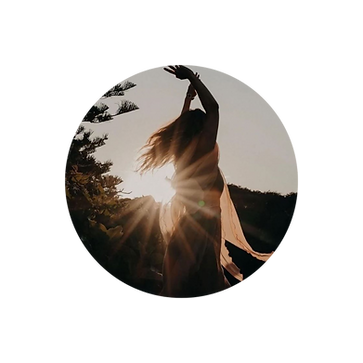
Ascensia Tantra Festival seeks to offer a space off spiritual depth within the tantric teachings facilitated here while also inviting plenty of moments to feel free, joyful and light as we also celebrate together through moments of dance and play.


Riviera Maya, Mexico
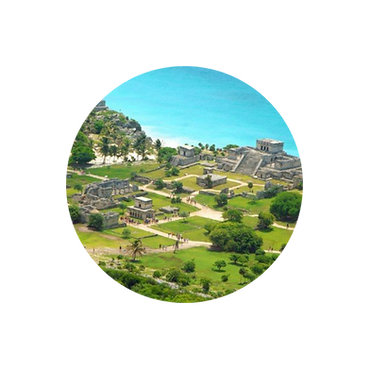
The Riviera Maya stretches along the northeastern Caribbean coast of Mexico's Yucatán Peninsula, running roughly 130 kilometers from Puerto Morelos in the north to Tulum in the south. The name itself is poetic geography — Riviera evoking the glamour and natural beauty of Mediterranean coastlines, and Maya honoring the ancient civilization that called this land sacred for over three thousand years.
A Land Between Two Worlds
The region sits at a threshold — between jungle and sea, between ancient and contemporary, between the terrestrial and the deeply mysterious. The Caribbean here is a captivating turquoise, fed by the world's largest underground river system: a vast network of freshwater cenotes (sacred sinkholes) that the ancient Maya considered portals between the living world and Xibalba, the spirit underworld. To stand at the edge of a cenote is to understand why this land has always carried a devotional quality.
Sacred Maya Roots
Long before resort hotels and yoga retreats, the Maya built ceremonial cities along this coast — Tulum, Cobá, Xcaret — oriented to astronomical cycles, seasonal rhythms, and the movement of Venus. They understood time as sacred and cyclical, and this cosmology is still alive in the land itself. The jungle presses in on every edge. Howler monkeys and jaguars still move through it. The earth here has memory.
A Living Confluence
Today, Riviera Maya draws seekers of many kinds — those chasing beauty, those chasing healing, those chasing transformation. It has become a global gathering point for conscious travel, wellness, and spiritual community, in part because the landscape itself seems to call for depth. The combination of lush biosphere reserves, ancient ceremonial sites, salt-warm sea, and cenote waters creates a natural container for the kind of inner work that requires beauty and mystery in equal measure.
Why It Matters
The Riviera Maya is not merely a backdrop. It is an active presence — a place where the boundaries between world and spirit feel genuinely thin. For gatherings oriented around awakening, intimacy, and sacred practice, there may be no more fitting soil on Earth.